No physical site. No complete CAD. High consequence decisions.
Teams must evaluate rover paths, crane placement, solar arrays, and robotic assembly before hardware reaches the surface.
Hylos Labs
Hylos compiles real and generated worlds into structured 3D object spaces agents can reason over, edit, simulate, and control.
Compilation Layer
Hylos sits between an agent's tools and its visual representation of the world, turning scenes and generated concepts into semantic-spatial programs: objects, parts, surfaces, topology, constraints, and relationships.
Agents do not just observe space through Hylos. They can generate new structures, modify existing environments, and operate on parts, surfaces, and relationships with addressable control.
Interactive Demo
A visual representation is converted into addressable spatial structure. Once the layer is ready, the agent can target the cabinet and execute the interaction.
Agent rationale
Waiting for semantic layerOpen the highlighted cabinet door.
Current state
Building semantic object space
Concept Case Study
WordLabs generates a high-fidelity environment from mission constraints. Hylos compiles that world into structured topology, where every surface, object, and constraint is addressable by an agent.
Teams must evaluate rover paths, crane placement, solar arrays, and robotic assembly before hardware reaches the surface.
WordLabs produces the environment. Hylos compiles it into an agentic spatial model, extracting parts, surfaces, topology, constraints, and relationships so agents can reason about and modify the scene.
Engineers do not just review scenes. They instruct agents to test layouts, validate constraints, and iterate designs before deployment.
Agent Operation Layer
A planner defines constraints: access, coverage, shielding, and clearance. WordLabs generates the environment. Hylos compiles it into an agent-ready spatial model where every object, surface, zone, and constraint is addressable and modifiable.
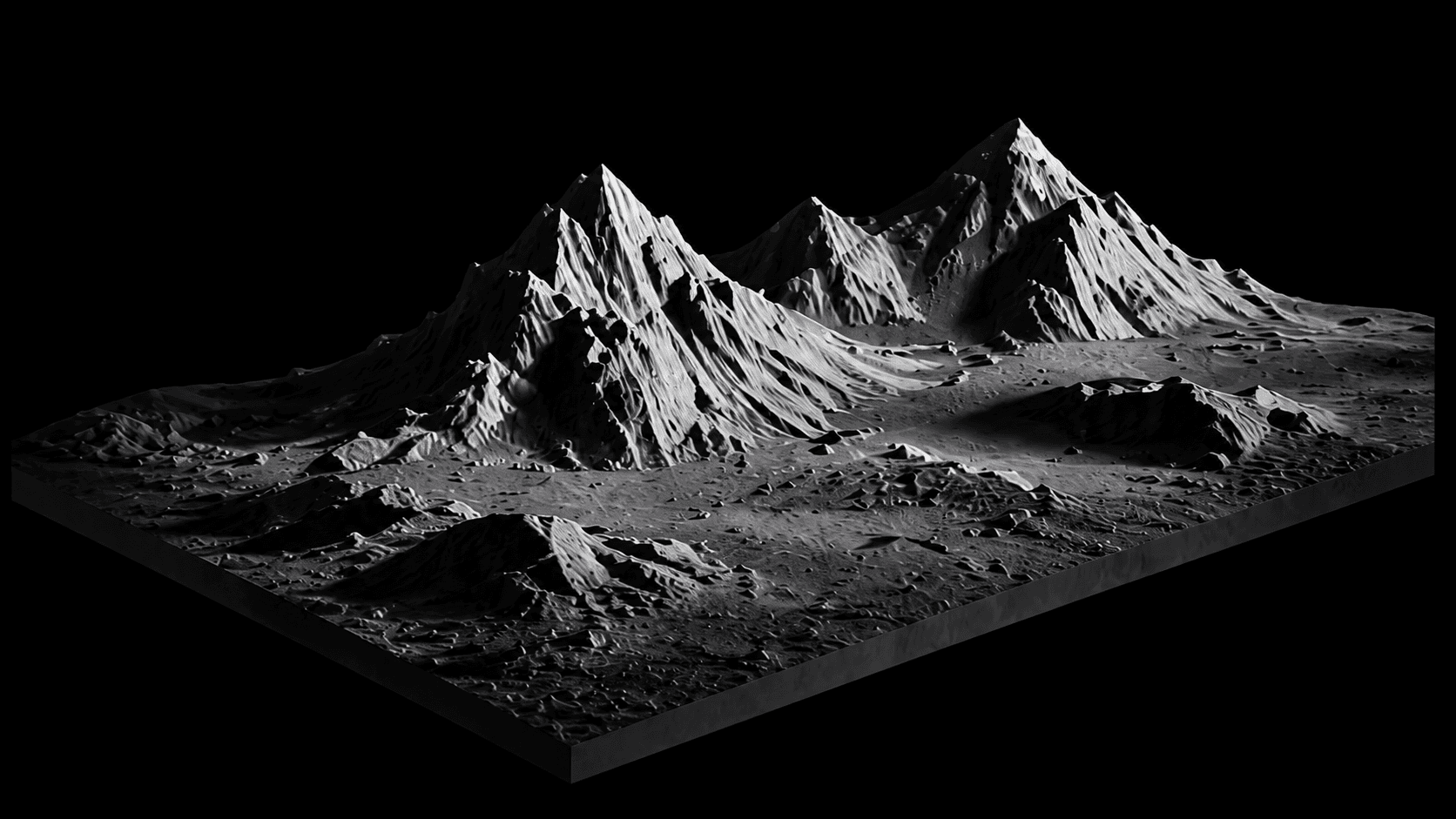 1. Generate Environments
Create high-fidelity mission environments before any physical capture exists.
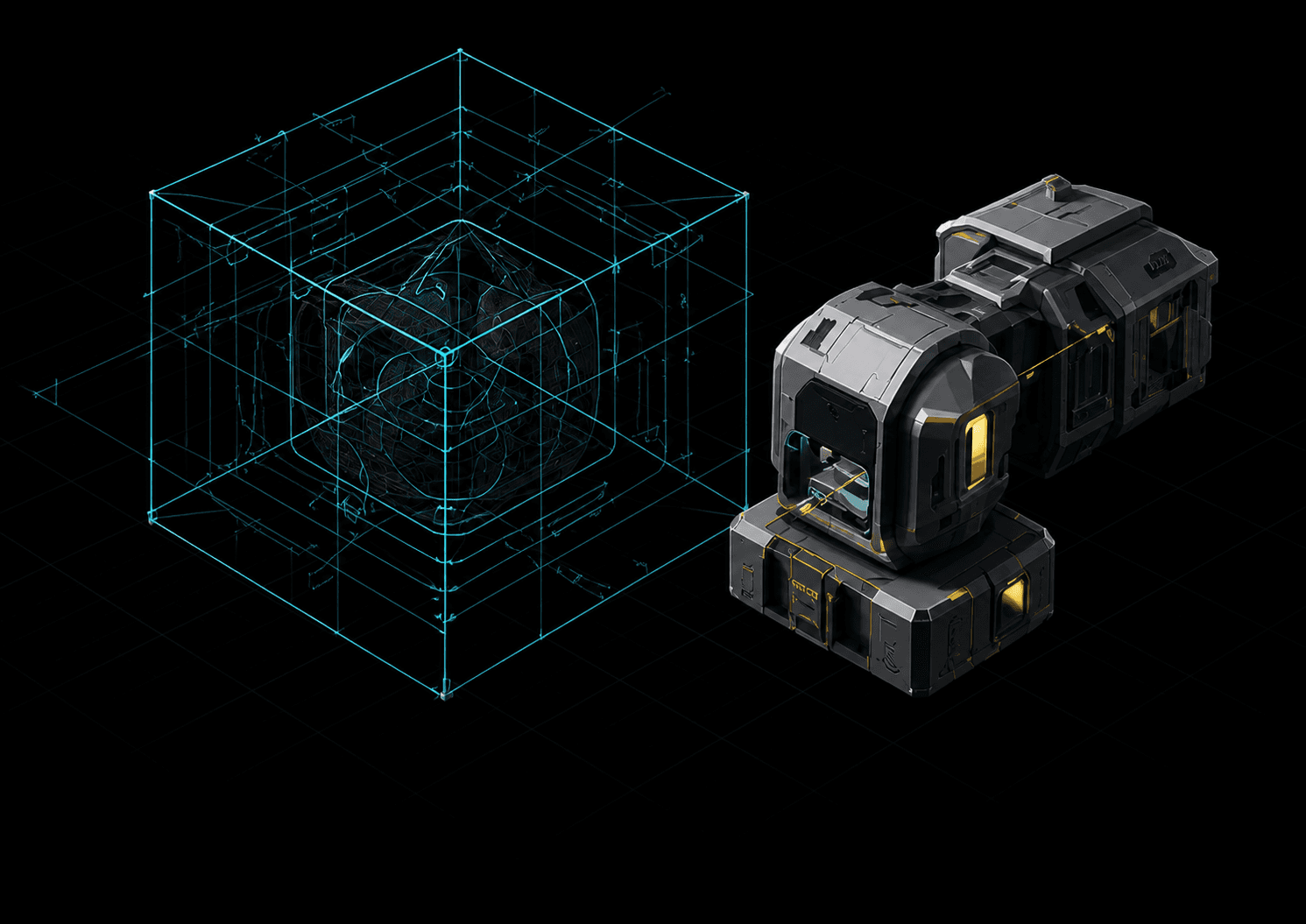 2. Compile to Agentic Model
Extract parts, surfaces, topology, constraints, and relationships. Make everything addressable.
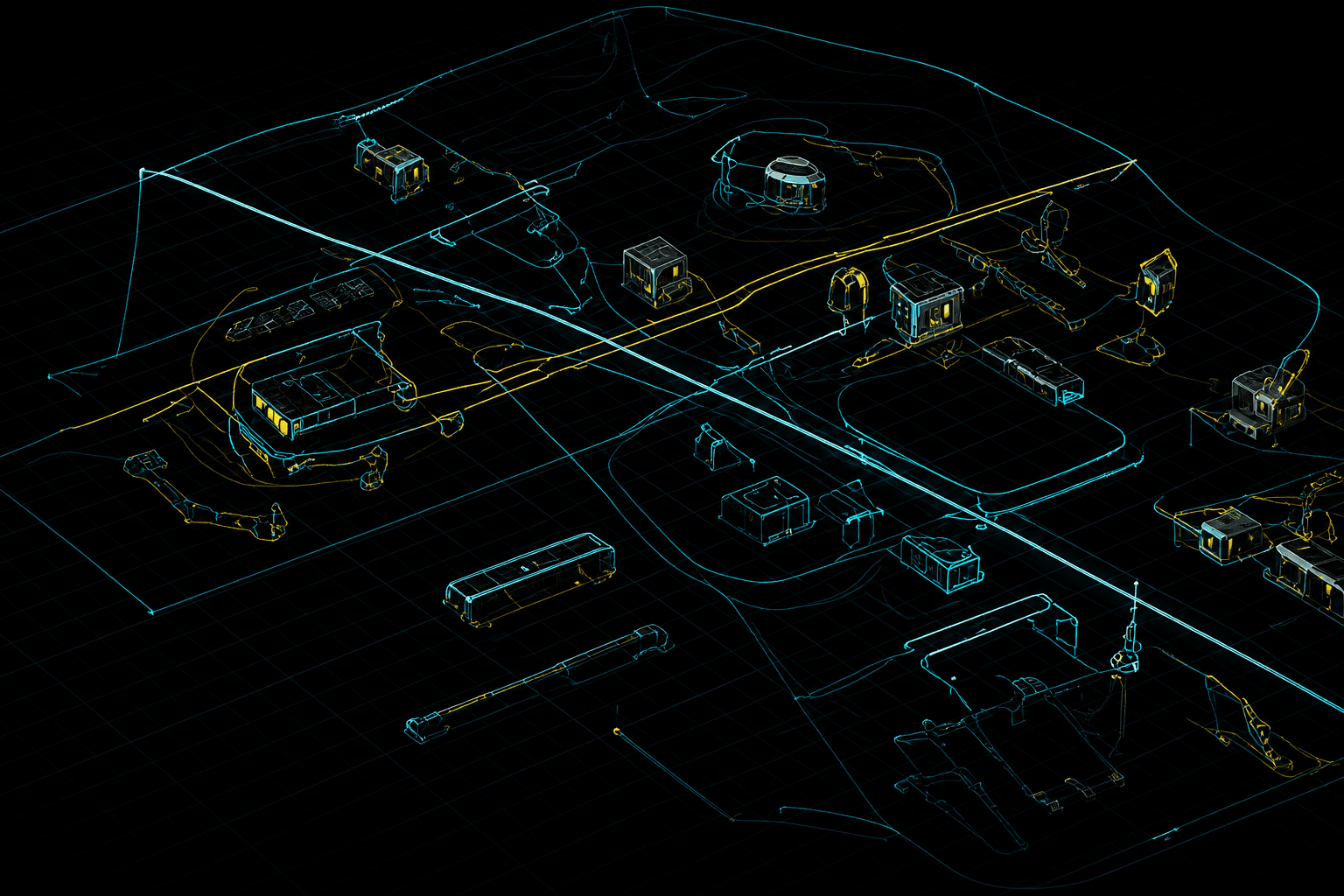 3. Agent-Driven Operations
Agents plan, edit, and validate layouts across terrain, modules, paths, and constraints.
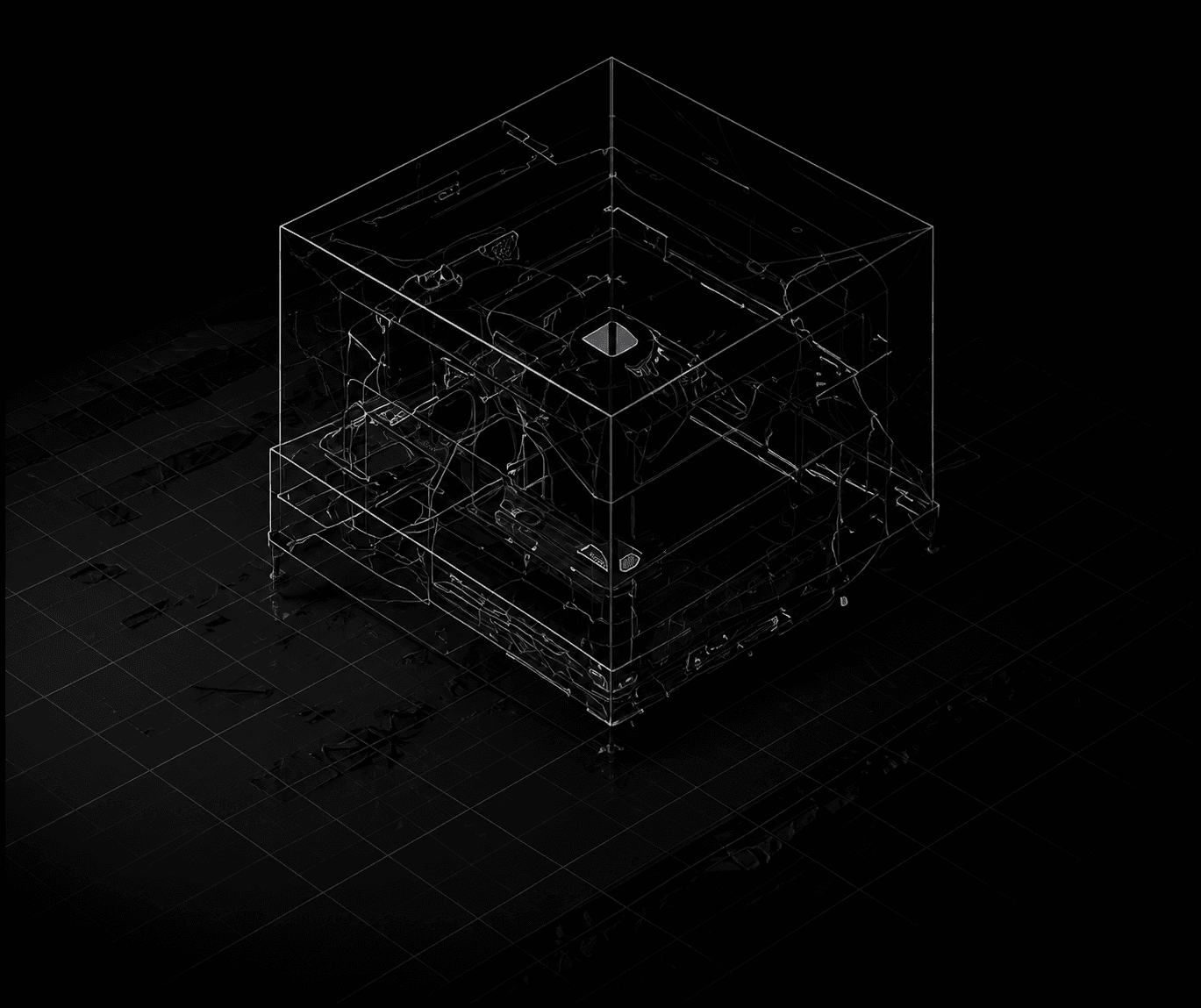 4. Export & Execute
Export validated configurations to CAD, simulation, and robotics systems.
Applications
Generate, inspect, and reconfigure production cells, fixtures, parts, and robotic workspaces as agent-operable spatial systems.
Learn more →Compile terrain, facilities, assets, and mission concepts into structured environments for planning, simulation, and agent coordination.
Learn more →Turn prompts, sketches, scans, and references into editable 3D object spaces with topology, constraints, and part-level structure.
Learn more →Case Studies
Scene Understanding
01Convert raw scenes into object-aware, surface-aware, constraint-aware spaces that agents can work inside.
Spatial Action
02Let agents reason about where things are, what they mean, and how they can be changed.
Technology
Hylos converts visual inputs and generative outputs into semantic-spatial structure: topology, surfaces, parts, object relationships, and executable spatial operations.
Early system. Built toward agentic spatial control.
Investor & Institutional Partners
We're opening conversations with investors, strategic partners, and institutions working at the edge of autonomy, simulation, and spatial AI.